
درسنامه آموزشی زبان انگلیسی (1) کلاس دهم
درس 3: The Value of Knowledge
Get Ready
Part One
A. Match the pictures with the sentences.
|
|
|
|
|
|

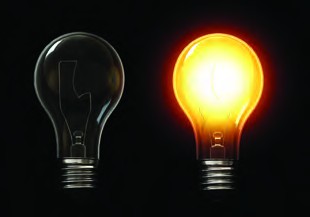
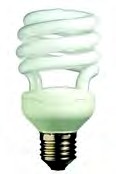
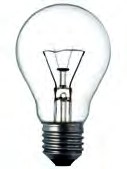
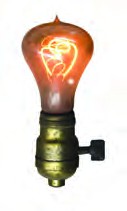
(b) This gives us an easier life when there is no light.
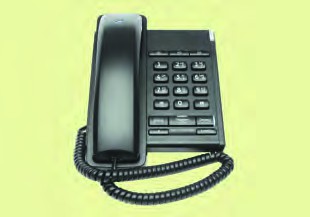
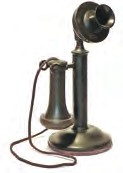
(c) People use this to talk with someone in another place.
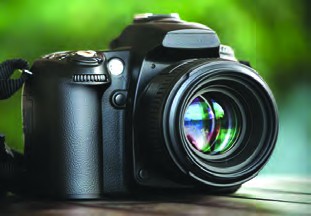
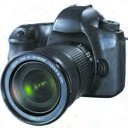
(d) We use this to take and keep pictures very easily.
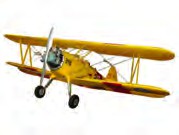
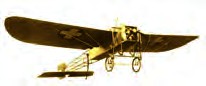
(a) This helps us travel very fast to far places.
این زندگی ما را راحت میکند وقتی که هیچ روشنایی نباشد.
مردم از این استفاده میکنند برای صحبت با کسی که در جایی دیگر است.
ما از این استفاده میکنیم تا خیلی آسان عکس بگیریم و نگه داریم.
این به ما کمک میکند تا خیلی سریع به مکانهای دور سفر کنیم.
B. Order the followings from ‘oldest to newest’
| a | b | c | |
|---|---|---|---|
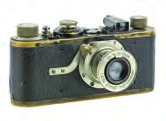
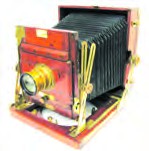
| Camera c-a-b |
|
|
|
| Light bulb c-b-a |
|
|
|
| Telephone b-a-c |
|
|
|
| Airplane b-c-a |
|
|
|



Part Two
A. Match the pictures with the words.
|
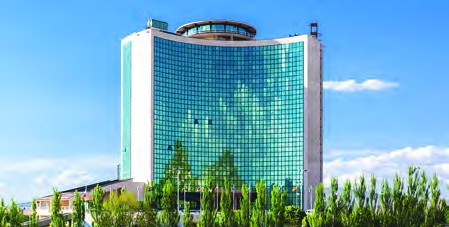
a building |
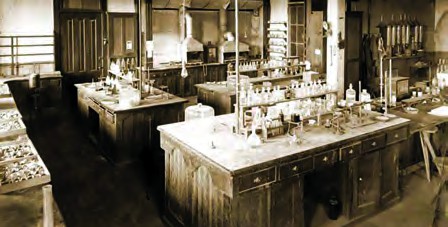
a laboratory |
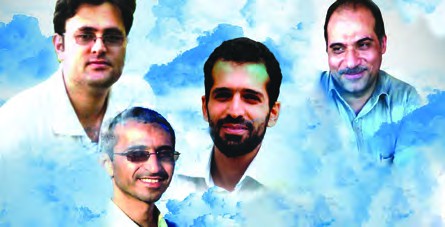
scientists |
B. Choose an appropriate adjective for each word above
modern building
Iranian scientists
old laboratory
Conversation
Roya and Mahsa are leaving the library.
Roya: When I came in, you were reading a book. What was it?
Mahsa: I was reading a book about famous Iranian scientists.
Roya: But such books are not very interesting.
Mahsa: At first I had the same idea, believe me!
Roya: Did you find it useful?
Mahsa: Oh yes. Actually I learned many interesting things about our scientists’ lives.
Roya: Like what?
Mahsa: For example Razi1 taught medicine to many young people while he was working in Ray Hospital. Or Nasireddin Toosi built Maragheh Observatory when he was studying the planets.
Roya: Cool! What was the name of the book?
Mahsa: Famous Iranian Scientists.
رویا و مهسا در حال ترک کردن کتابخانه هستند.
رویا: وقتی آمدم داخل، تو در حال خواندن کتاب بودی. آن چه (کتابی) بود؟
مهسا: من در حال خواندن یک کتاب در مورد دانشمندان مشهور ایرانی بودم.
رویا: اما چنین کتابهایی خیلی جالب نیستند.
مهسا: اولش، من هم همین عقیده را داشتم. باور کن!
رویا: آیا به نظرت مفید بود.
مهسا: اوه. بله. در واقع، من چیزهای جالب زیادی در مورد زندگی دانشمندان مان یاد گرفتم.
رویا: مثل چی؟
مهسا: برای مثال رازی وقتی که در بیمارستان ری کار میکرد به بسیاری از افراد جوان پزشکی تدریس میکرد یا نصرالدین طوسی وقتی که در حال مطالعه سیارات بود رصدخانه مراغه را ساخت.
رویا: چه خوب! اسم کتاب چی بود؟
مهسا: دانشمندان معروف ایرانی.
Questions
Answer the following questions orally.
1. Were Mahsa and Roya in a laboratory?
2. Who came to the library sooner, Mahsa or Roya?
3. Do you know any interesting story about famous scientists?
آیا مهسا و رویا در یک آزمایشگاه بودند؟
چه کسی زودتر به کتابخانه آمد؟
آیا شما هیچ داستانی از دانشمندان معروف ایرانی میدانید؟
New Words & Expressions
A. Look, Read and Practice.
|
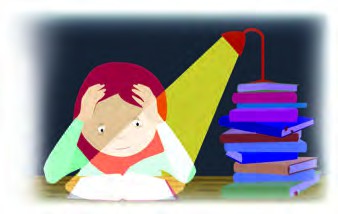
Melika tries hard to learn English. |
Babak is an energetic boy. |
|
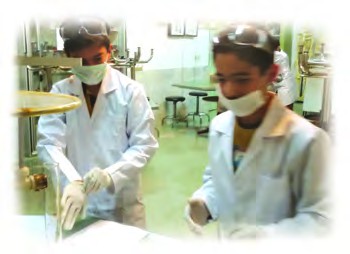
The students do experiments in the school laboratory. |
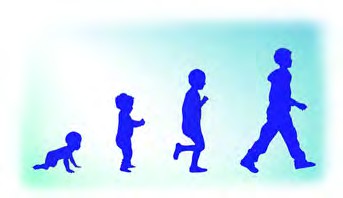
Children grow up rapidly. |
|
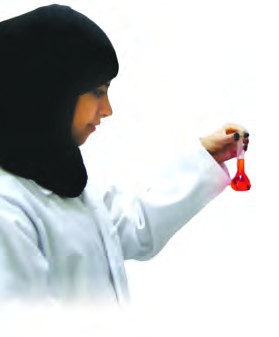
She is doing research on blood cells. |
He has the flu and feels weak. |
|
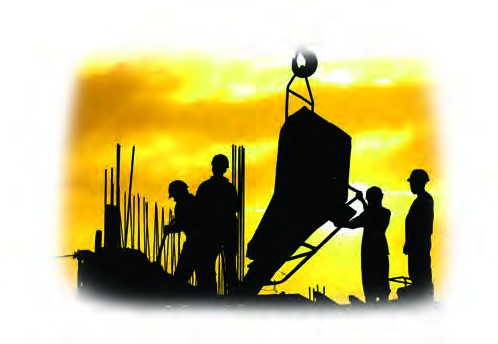
No success is possible without hard work. |
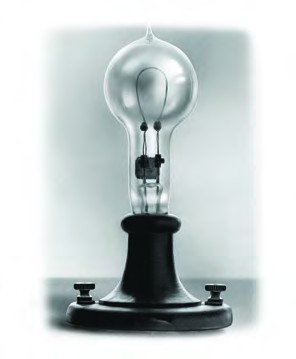
Edison invented the first light bulb. |


B. Read and Practice.
solve: to find an answer to a problem
We can help you solve your problems.
حل کردن: پیدا کردن یک جواب برای یک مسئله
ما میتوانیم به تو کمک کنیم مشکلات خود را حل کنی.
develop: to grow or change into a stronger, larger or better form
This book can develop your speaking skill.
توسعه دادن: رشد دادن یا تغییر دادن به یک شکل قویتر، بزرگتر یا بهتر.
این کتاب میتواند مهارت صحبت کردن تو را توسعه دهد
belief: something that you believe
Her belief in Allah gave her hope during difficult times.
اعتقاد، باور: چیزی که به آن اعتقاد دارید.
اعتقاد او به خدا در لحظات سخت به او امید داد.
quit / give up: to stop doing something
Fortunately, his father is going to quit smoking.
He gave up his work without saying anything to us.
تسلیم شدن / منصرف شدن: متوقف کردن
کاری سرانجام، پدر او قصد دارد سیگار را ترک کند.
او بدون این که چیزی به ما بگوید از کارش منصرف شد.
thousands of: a large number of things or people
There are thousands of things I want to do.
هزاران، تعداد زیاد: تعداد زیادی از چیزها یا مردم
هزاران چیز وجود دارد که من میخواهم انجام دهم.
C. Go to Part III of your Workbook and do A and B.
Reading
No Pain No Gain
Human knowledge develops with scientists’ hard work.
Many great men and women try hard to find facts, solve problems and invent things.
Some of these scientists did not have easy lives. But they tried hard when they were working on problems.
They never felt weak when they were studying. They never gave up when they were doing research.
There are great stories about scientists and their lives. One such a story is about Thomas Edison.
As a young boy, Edison was very interested in science. He was very energetic and always asked questions.
Sadly, young Edison lost his hearing at the age of 12.
He did not attend school and learned science by reading books in the library himself.
When he grew up he worked in different places, but he never lost his interest in making things.
Edison was famous for doing thousands of experiments to find answers to problems.
He said, “I never quit until I get what I’m after”.
Edison had more than 1,000 inventions and was very successful at the end of his life.
Many great names had stories like this. But the key to their success is their hard work and belief in themselves.
If you want to get what you want, work hard and never give up.
نابرده رنج گنج میسر نمیشود
دانش بشر با سختکوشی دانشمندان توسعه مییابد.
بسیاری از مردان و زنان سخت تلاش میکنند تا حقایق را بیابند، مسائل را حل کنند و چیزهایی اختراع کنند.
بعضی از این دانشمندان زندگیهای راحتی نداشتند. اما وقتی آنها در حال کار کردن بر روی مسائل بودند سخت تلاش میکردند.
آنها وقتی در حال مطالعه بودند هرگز احساس ضعف نکردند. آنها وقتی در حال تحقیق بودند تسلیم نشدند. (تحقیق را رها نکردند)
داستانهای معروفی دربارۀ دانشمندان و زندگیهای آنان وجود دارد. یک چنین داستانی دربارۀ ادیسون است.
به عنوان یک پسر جوان، ادیسون به علوم پایه علاقمند بود. او بسیار پر انرژی بود و همیشه سوال میپرسید.
متأسفانه، ادیسون نوجوان در سن 12 سالگی شنوایی خود را از دست داد.
او در مدرسه حاضر نشد و علوم پایه را خودش با خواندن کتاب در کتابخانه یاد گرفت.
وقتی بزرگ شد در جاهای مختلفی کار کرد. اما هرگز علاقهاش را به ساختن چیزهای جدید از دست نداد.
ادیسون بهخاطر انجام هزاران آزمایش برای پیدا کردن پاسخ برای مسائل مشهور بود.
او میگفت: «من هرگز تسلیم نمیشوم تا آنچه را که به دنبالش هستم به دست بیاورم».
ادیسون بیش از 1000 اختراع داشت و در پایان عمرش فردی بسیار موفق بود.
بسیاری از اسامی معروف، داستانهایی مانند این داشتند. اما کلید موفقیت آنها سختکوشی و خودباوری آنها است.
اگر شما میخواهید به آن چیزی که میخواهید برسید، به سختی کار کنید و هرگز آن را رها نکنید.
Reading Comprehension
A. Choose the best answer.
1- Where did Edison learn science?
a) In the library
b) At school
c) In the laboratory
1- ادیسون کجا علوم پایه را یاد گرفت؟
الف) در کتابخانه / ب) در مدرسه / پ) در آزمایشگاه
2- How did Edison find answers to problems?
a) By sleeping in the laboratory
b) By doing many experiments
c) By quitting what he was after
2- ادیسون چگونه پاسخ مسائل را پیدا میکرد؟
الف) با خوابیدن در آزمایشگاه
ب) با انجام دادن آزمایشات
پ) با منصرف شدن از چیزی که دنبالش بود.
3- Which is not true about scientists?
a) They find facts
b) They invent things
c) They feel weak
3- کدام در مورد دانشمندان درست نیست؟
الف) آنها حقایق را پیدا میکردند.
ب) آنها چیزهایی اختراع میکردند.
پ) آنها احساس ضعف میکنند.
B. True/False
1- Edison finally lost his interest in inventing things. False
2- Edison did not attend school at all. False
3- Hard work is the key to scientists’ success. True
1- ادیسون سرانجام علاقهاش به اختراع چیزها را از دست داد.
2- ادیسون اصلاً در مدرسه حاضر نشد.
3- سختکوشی کلید موفقیت دانشمندان است.
C. Match two halves.
1. After Edison lost his hearing ........(b)......
2. When scientists were working on problems ........(c)......
3. If you like to be successful ........(a)......
a. you must not feel weak.
b. he did not quit studying.
c. they did not give up.
d. he became a famous person.
1- بعد از اینکه ادیسون شنواییاش را از دست داد .....
2- وقتی دانشمندان در حال کار کردن روی مسائل بودند .....
3- اگر شما میخواهید موفق شوید .....
a- نباید احساس ضعف کنید.
b- او مطالعه را ترک نکرد.
c- آنها مسئله را رها نمیکردند.
d- او شخص معروفی شد.
Grammar
A. Read the following texts.
B. Read the following examples.
Affirmative
| I He She The computer |
was | working on a difficult problem | at 4. when the power went out. |
| We You They |
were |
- The scientist was doing research in his laboratory during 1370.
- Newton was sitting under a tree when an apple hit his head.
Negative
| I He She The computer |
wasn’t | working on a difficult problem | at 4. when the power went out. |
| We You They |
weren’t |
- Tina wasn’t reading a novel when her mother came in. She was studying her English book.
- Reza was not doing an experiment when the phone rang. He was solving a math problem.
Interrogative
| Was | I he she the computer |
working on a difficult problem | at 4. when the power went out. |
| Were | we you they |
- TWas Mahsa doing her homework when her mother called?
- Were they talking when the teacher came in?
C. Tell your teacher how ‘past progressive’ is made
C) به معلمتان بگویید «زمان گذشته استمراری» چگونه ساخته میشود.
D. Read the ‘Conversation’ and underline all ‘past progressive verbs’.
D) مکالمه را بخوانید و زیر فعلهای زمان گذشته استمراری خط بکشید.
were reading- was reading- working- was studying
E. Read the following paragraph and choose the best verb forms.
It was raining yesterday. I was sitting/sit in the living room. I watched/was watching a movie about a great scientist, Ghiyath al-Din Jamshid Kashani. He was a great inventor. He was from Kashan. His father was a doctor. Jamshid is/was very interested in numbers and planets. Actually, he invented/invent many interesting things when he was solving/solved math problems.
Sadly, this scientist has/had a very short life. Someone was killing/killed him when he worked/was working in his observatory. He was/is only 42 years old.
دیروز داشت باران میبارید. من نشسته بودم / مینشینم در اتاق پذیرایی.
من تماشا کردم / داشتم تماشا میکردم فیلمی درباره یک دانشمند بزرگ غیاثالدین جمشید کاشانی.
او مخترع بزرگی بود. او اهل کاشان بود. پدرش یک پزشک بود.
جمشید به اعداد و سیارات بسیار علاقهمند است / بود.
در واقع او چیزهای جالب زیادی اختراع کرد/ اختراع میکند وقتی که او داشت حل میکرد / حل کرد مسایل ریاضی را.
متأسفانه، این دانشمند عمر بسیار کوتاهی دارد / داشت. شخصی او را داشت میکشت / کشت وقتی که او کار کرد / داشت کار میکرد در رصدخانهاش. او فقط 42 سال داشت / دارد.
F. Pair up and talk about the things you were doing at the given times.
1- Yesterday at 5 I was watching a movie.
2- When the teacher came in, we were talking.
3- This morning at 5:30, I was sleeping.
4- When my father came home , I was reading a novel.
دیروز ساعت 5، من در حال تماشای فیلم بودم.
وقتی که معلم وارد شد، ما در حال صحبت کردن بودیم.
امروز ساعت 5:30، من در حال خوابیدن بودم.
وقتی که پدرم آمد خانه، من داشتم یک داستان بلند میخواندم
G. Go to Part II of your Workbook and do A, B and C.
See Also
A. Read the following examples with ‘Self Pronouns’
| I You Zahra Amir The computer Maryam and I You and your friends The scientists |
did the experiment | myself. yourself. herself. himself. itself. ourselves. yourselves. themselves. |
- Alexander Graham Bell invented the telephone himself.
- Marie Curie found uranium herself.
You may also say:
| I You Zahra Amir The computer Maryam and I You and your friends The scientists |
myself. yourself. herself. himself. itself. ourselves. yourselves. themselves. |
did the experiment |
- Alexander Graham Bell himself invented the telephone.
- Marie Curie herself found uranium.
B. Go to Part II of your Workbook and do D.
Listening & Speaking
A. You may use ‘simple past’ and ‘past progressive’ together to narrate a story. Past progressive is sometimes used to give background/ situation to the story.
Last night at 8 o’clock we were sitting in the hall. We were talking about our day. Suddenly we heard a noise. My father went out to see what was making the noise. When my father was walking in the yard, we went to the kitchen. We saw a kitty in the kitchen. It was eating a cookie. The Poor kitty was hungry.
شب گذشته ساعت هشت، ما در هال نشسته بودیم. ما در حال صبحت کردن در مورد روزمان بودیم. ناگهان صدایی شنیدیم. پدرم بیرون رفت تا ببیند چه چیزی آن صدا را ایجاد کرده است. وقتی که پدرم داشت در حیاط قدم میزد، ما به آشپزخانه رفتیم. ما در آشپزخانه یک گربه دیدیم. آن در حال خوردن کلوچه بود. گربه بیچاره گرسنه شده بود.
B. Listen to the following conversations and complete the sentences.
Conversation 1
1. Leila was walking home.
2. The driver careless.
Conversation 2
1. Amir went shopping.
2. Amir was walking at bazar.
Pronunciation
A. Listen to the following sentences. Notice how the speakers say some words with more emphasis.
1. Were you doing the research? No, Ali was.
2. Who broke the window? It wasn’t me.
3. Why were the students making so much noise? They weren’t. The workers were making noises.
4. Is it Jim’s car over there? No, his car is white.
B. One word in each sentence is red. Say the sentence with emphatic stress on that word. Can you guess how the meanings of the sentences are different?
1. Mina’s dress is white.
2. Mina’s dress is white.
3. Mina’s dress is white.
1- لباس مینا سفید است. (نه لباس شخص دیگری)
2- لباس مینا سفید است. (نه چیز دیگری)
3- لباس مینا سفید است. (نه رنگ دیگری)
C. Go to Part IV of your Workbook and do it.
Writing


A. Read the ‘Reading’. Find ‘the action and state verbs’
B. Read the following sentences and choose the best verb forms:
1. I (don’t like / am not liking) reading newspapers.
1- من (دوست ندارم / در حال دوست نداشتن) خواندن روزنامهها را.
2. At 3 o’clock yesterday, I (needed / was needing) a taxi.
2- دیروز ساعت سه من (نیاز داشتم / در حال نیاز بودم) یک تاکسی.
3. She (watches / is watching) television at the moment.
3- او (تماشا میکند / در حال تماشا است) تلویزیون را در این لحظه.
4. I (want / am wanting) to go to the cinema tonight.
4- من (میخواهم / در حال خواستن) بروم به سینما امشب.
5. Unfortunately, he (didn’t remember / wasn’t remembering) my name.
5- متأسفانه او (بیاد نمیآورد / در حال بیاد نیاوردن بود) اسم مرا.
What You Learned
A. Listen to the first part of a story.
1. Fill in the blanks based on what you just heard.
Sajjad was taking pictures yesterday at the park.
When he was taking pictures fire fighters came to help.
2. Listen again and list ‘past progressive verbs’.
was taking- was walking- was waiting
B. Now listen to the rest of the story.
The firefighters jumped out of their cars. They were working quickly. They were putting out the fire. People were standing near the building. They were watching the fire. It was dangerous. Sajjad put his camera aside and asked people to leave. The firefighters put out the fire when he was talking with people.
آتشنشانها از ماشینهایشان بیرون پریدند. آنها سریع کار میکردند. آنها آتش را خاموش میکردند. مردم در کنار ساختمان ایستاده بودند. آنها آتش را تماشا میکردند. آن خطرناک بود. سجاد دوربینش را کنار گذاشت و از مردم درخواست خروج کرد. آتشنشانان آتش را خاموش کردند هنگامی که او با مردم صحبت میکرد.
3. Underline all ‘past progressive verbs’.
در متن بالا به این شکل مشخص شده است.
C. Work in pairs. Ask and answer. Use appropriate sentence stress and intonation.
- What was Sajjad doing in the park?
- Did Sajjad put out the fire?
- Were the firefighters working slowly