
درسنامه آموزشی زبان انگلیسی (1) کلاس دهم
درس 1: Saving Nature
Get Ready
Part One
A. Match the pictures with the phrases.
|
|
|
|
|
|

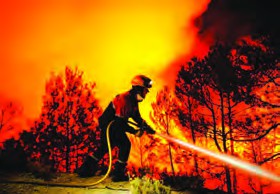
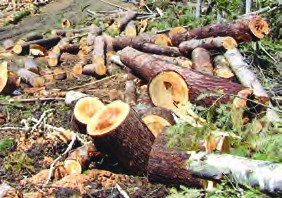
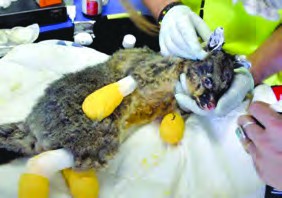
(b) putting out the fire
(a) hurting the animal
(c) cutting down the trees
(d) helping the injured animal
خاموش کردن آتش
صدمه زدن به حیوانات
قطع کردن درختان
کمک کردن به حیوانات صدمه دیده
B. Which is good for nature? Which is bad?
good:
putting out the fire
helping the injured animal
bad:
cutting down the trees
hurting the animal
Part Two
A. Match the pictures with the words.
|
a whale |
an elephant |
a panda |
a leopard |
|
a wolf |
a goat |
a duck |
a cat |
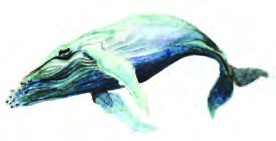
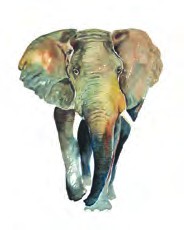


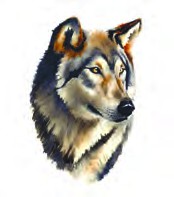
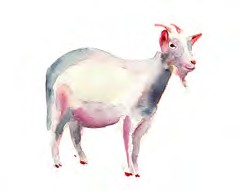
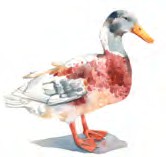

B. Can you divide the above animals into two groups? How?
| Group 1 (حیوانات وحشی) a whale a wolf a leopard a panda |
Group 2 (حیوانات اهلی) a goat a duck a cat an elephant |
Conversation
Maryam is visiting the Museum of Nature and Wildlife. She’s talking to Mr. Razavi, who works in the museum.
Maryam: Excuse me, what is it? Is it a leopard?
Mr. Razavi: No, it is a cheetah.
Maryam: Oh, a cheetah?
Mr. Razavi: Yeah, an Iranian cheetah. It is an endangered animal.
Maryam: I know. I heard around 70 of them are alive. Yes?
Mr. Razavi: Right, but the number will increase.
Maryam: Really?! How?
Mr. Razavi: Well, we have some plans. For example, we are going to protect their homes, to make movies about their life, and to teach people how to take more care of them.
مریم: ببخشید، آن چیست؟ آیا پلنگ است؟
آقای رضوی: نه آن یک یوزپلنگ وحشی است.
مریم: آهان، یک یوزپلنگ؟
آقای رضوی: بله یک یوزپلنگ ایرانی. آن یک حیوان در حال انقراض (معرض خطر) است.
مریم: میدانم. من شنیدهام که حدود 70 تا از آنها زندهاند. اینطوره؟
آقای رضوی: درست است، اما تعداد آنها افزایش خواهد یافت.
مریم: واقعاً؟! چطوری؟!
آقای رضوی: خوب، ما برنامههایی داریم. بهعنوان مثال: ما قصد داریم از زیستگاههای آن محافظت کنیم و درباره زندگی آنها فیلم بسازیم و به مردم آموزش دهیم چگونه هر چه بیشتر از آنها مراقبت کنند.
Questions
Answer the following questions orally.
1. Where are they talking? They are talking in the museum.
2. Are there many cheetahs alive? No, there aren't
3. Do you take care of animals? Yes, I do. I take care of animals.
آنها کجا دارند صحبت میکنند؟ آنها در موزه در حال صحبت کردن هستند.
آیا یوزپلنگهای زنده زیادی وجود دارند؟ نه، فقط 70 تا از آنها زنده هستند.
آیا شما از حیوانات مراقبت میکنید؟ بله، مراقبت میکنم.
New Words & Expressions
A. Look, Read and Practice.
|
We live on Earth. |
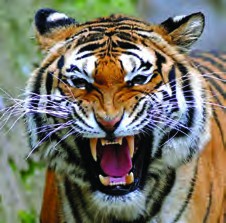
A tiger is a wild animal. |
|
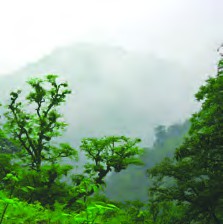
I went to Golestan Forest last year. |
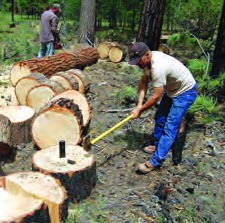
They are destroying the jungle. |
|
The Persian lion died out about 75 years ago. |
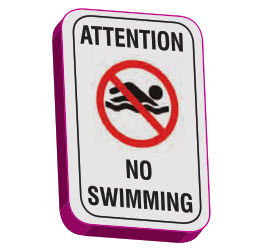
Pay attention! Don’t swim here. |
|
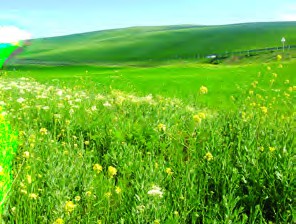
Tooran is the natural home of the Persian zebra. |
Moghan Plain is a nice place in the north-west of Iran. |
|
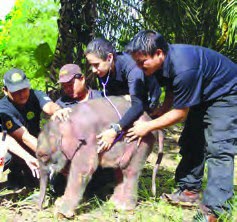
They hope to save the injured animal. |
|


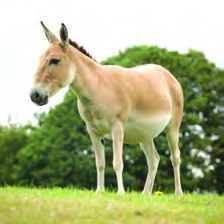
B. Read and Practice.
a few: not many; a small number of things or people
There are a few Iranian cheetahs.
تعداد کمی: زیاد نیست، تعداد کمی از چیزی یا مردم.
تعداد کمی یوزپلنگ ایرانی وجود دارد.
human: a person
All humans must take care of nature.
انسان: یک شخص
تمام انسانها باید از طبیعت مراقبت کنند.
instead: in place of someone or something else
There’s no coffee. Would you like a cup of tea instead?
به جای: جایگزین شخص یا چیزی دیگر.
قهوه نیست. به جایش یک فنجان چای میل دارید؟
future: the time after now
Everyone needs to plan for the future.
آینده: زمانی بعد از حال
همه نیاز دارند که برای آینده برنامهریزی کنند.
C. Go to Part III of your Workbook and do A and B.
Reading
Endangered Animals
Today, there are some endangered animals on Earth. It means that we can find only a few of them around us.
Some examples are whales, pandas, tigers and Asian elephants.
Humans destroy the natural homes of the animals in the forests, lakes, and plains.
When the number of people on Earth increases, they need more places for living.
They cut down trees and destroy lakes. They make homes and roads instead.
Then the animals won’t have a place to live. They will die out. The Iranian cheetah is among these animals.
This wild animal lives only in the plains of Iran. Now there are only a few Iranian cheetahs alive.
If people take care of them, there is hope for this beautiful animal to live.
Recently, families pay more attention to nature, students learn about saving wildlife, and some hunters don’t go hunting anymore. In this way, the number of cheetahs is going to increase in the future.
حیوانات در معرض خطر
امروزه تعدادی حیوان در معرض خطر بر روی کره زمین وجود دارند. این بدان معنی است که ما میتوانیم فقط تعداد کمی از آنها را در اطراف خود بیابیم.
چند نمونه (از آنها) والها، پانداها، ببرها و فیلهای آسیایی هستند.
انسانها زیستگاه طبیعی این حیوانها را در جنگلها، دریاچهها و دشتها خراب میکنند.
وقتی که تعداد مردم روی زمین افزایش مییابد، آنها برای زندگی به جای بیشتری نیاز خواهند داشت.
آنها درختان را قطع میکنند و دریاچهها را نابود میکنند. آنها در عوض خانه و جاده درست میکنند.
در این صورت حیوانات برای زندگی کردن مکانی نخواهند داشت. آنها به کلی نابود خواهند شد. یوزپلنگ ایرانی در میان این حیوانات است.
این حیوان وحشی فقط در دشتهای ایران زندگی میکند. اکنون، فقط تعداد کمی از یوزپلنگهای ایرانی زنده هستند.
اگر مردم از آنها مراقبت کنند، امید به زنده ماندن این حیوان زیبا وجود خواهد داشت.
اخیراً خانوادهها بیشتر به طبیعت توجه میکنند، دانشآموزان در مورد نجات حیات وحش یاد میگیرند. و بعضی از شکارچیان دیگر به شکار نمیروند. امید است که در آینده تعداد یوزپلنگها افزایش یابند.
Reading Comprehension
A. Choose the best answer.
1- Which of the followings is not an endangered animal?
a) panda
b) cheetah
c) horse
1- کدام یک از اینها در معرض خطر نیست؟
الف) پاندا / ب) یوزپلنگ / پ) اسب
2- Where is the natural home of the Iranian cheetah?
a) forest
b) plain
c) mountain
2- زیستگاه طبیعی یوزپلنگ ایرانی کجاست؟
الف) جنگل / ب) دشت / پ) کوه
3- Which place is not a natural home of wild animals?
a) park
b) lake
c) jungle
3- کدام مکان زیستگاه طبیعی حیوانات وحشی نیست؟
الف) پارک / ب) دریاچه / پ) جنگل
B. True/False
1- In the past, many hunters paid attention to wildlife. False
2- Students are interested in protecting nature.True
3- When people take care of cheetahs, the number of this animal will increase. True
1- در گذشته خیلی از شکارچیان به حیات وحش توجه میکردند.
2- دانشآموزان به حفاظت از طبیعت علاقه مند هستند.
3- وقتی که مردم از یوزپلنگ مراقبت کنند، تعداد این حیوان افزایش خواهد یافت.
C. Match two halves.
1. When only a few numbers of an animal live on Earth, ........(b)......
2. If we take care of Iranian cheetahs, .......(d)......
3. People need more places for living, .......(a)......
a. when their number increases.
b. it means that it is an endangered animal.
c. some hunters go hunting.
d. they will live in the future.
1- وقتی فقط تعداد کمی از یک گونه حیوان بر روی زمین زندگی کند....
2- اگر از یوزپلنگ ایرانی مراقبت کنیم، ......
3- مردم برای زندگی به جاهای بیشتری نیاز دارند....
a- وقتی که تعداد آنها افزایش یابد.
b- این به این معنی است که آن یک حیوان در معرض خطر است.
c- تعدادی شکارچی به شکار میروند
d- آنها در آینده زنده خواهند ماند.
Grammar
A. Read the following texts.
B. Read the following examples.
Affirmative
| I You He She We They |
will | save nature. |
- Alice and Kate will go to the library tomorrow.
- Ted will fly to Australia next Monday.
Negative
| I You He She We They |
will not (won’t) | destroy nature. |
- The children will not play in the yard.
- I won’t be here tomorrow.
Question
| Will | you he she it they |
go to the mountain? |
- Will our family buy a new car next year?
- Will Reza have an exam on Monday?
C. Tell your teacher how ‘simple future’ is made.
C) به معلم خود بگویید زمان آینده ساده چگونه ساخته میشود.
D. Read the ‘Reading’ and underline all ‘future verbs’.
D) متن Reading را بخوانید و زیر تمام فعلهای آینده ساده خط بکشید.
E. Read the following paragraph and choose the best verb forms.
Alfredo is an Italian tourist. He lives / will live in Rome. He likes / will like to travel and see different places of the world. He takes / will take photos especially of animals. Next month, he and his wife travel / will travel to Iran. They go / will go to Tooran Plain to see animals. They are hopeful to see Persian zebra, Iranian cheetah, Persian leopard and gazelle. After two weeks, they visit/will visit some beautiful cities in Iran.
F. Read the following wh-questions.
The tourists will visit Shiraz next summer.
Who | Who will visit Shiraz next summer?
When | When will the tourists visit Shiraz?
Where | Where will the tourists visit next summer?
What | What will the tourists do next summer?
گردشگران هفتۀ آینده از شیراز دیدن خواهند کرد.
چه کسی تابستان آینده از شیراز دیدن خواهد کرد؟
گردشگران چه موقع از شیراز دیدن خواهند کرد؟
گردشگران در تابستان آینده از کجا دیدن خواهند کرد؟
تابستان آینده گردشگران چه کار خواهند کرد؟
G. Work with a friend.
a. Make sentences with these beginnings using the ‘future tense’.
1. On Friday morning, I will visit my grandmother.
2. Next week, my brother will stay at home.
3. Tomorrow afternoon, we will visit our grandparents.
b. Now ask your friend ‘future tense’ questions with the following words.
1. When will you get home today?
2. Where will your little sister stay?
3. Who will Amin visit next Monday?
H. Go to Part II of your Workbook and do A, B and C.
See Also
A. Read the following examples with ‘to be going to’.
They are going to buy a house soon. They have enough money.
Look at the sky! It’s going to rain.
Alice is free tonight. She’s going to read some poems.
Reza is not going to watch TV tonight. The program is very boring.
We are not going to destroy nature. We take care of wildlife.
آنها تصمیم دارند بزودی یک خانه بخرند، آنها پول کافی دارند.
به آسمان نگاه کن! قرار است باران ببارد.
آلیس امشب بیکار (آزاد) است. او میخواهد کمی شعر بخواند.
رضا امشب قصد ندارد تلویزیون تماشا کند. برنامه خیلی کسل کننده است.
ما قصد نداریم طبیعت را نابود کنیم. ما از حیات وحش مراقبت میکنیم.
|
I You He |
am are going to play tomorrow. is |
going to play | tomorrow. |
B. Go to Part II of your Workbook and do D.
Listening & Speaking
A. You may use ‘future tense’ to ask someone about their plans or talk about your own plans.
- What are you going to do this weekend?
- I am going to go to Golestan Forest.
- Are you going to visit a museum?
- No, I am going to go out and enjoy wildlife.
تو قصد داری آخر این هفته چه کار کنی؟
من قصد دارم به جنگل گلستان بروم.
آیا تو قصد داری از موزه دیدن کنی؟
نه، من قصد دارم بیرون بروم و از حیاتوحش لذت ببرم.
B. Listen to the following conversations and complete the sentences.
Conversation 1
1. Alice is going to Brazil
2. Alice will people
Conversation 2
1. Shahab is going to go out
2. His family will go with him to Varamin
Pronunciation
A. Listen to the following sentences. They have falling intonation.
1. Where are you going to go? $ \searrow $ I am going to go to Bam. $ \searrow $
2. What does your brother do? $ \searrow $ He works in a zoo. He loves animals. $ \searrow $
3. Dr. James will buy a new laptop. $ \searrow $ His old laptop doesn’t work. $ \searrow $
4. We will go on a school trip tomorrow. $ \searrow $ The students will visit a museum. $ \searrow $
B. Listen and find where the sentences end. Do this by putting a period (.) and/or capitalizing words.
My name is Jim I am a zookeeper. There are many animals in our zoo. We have big and small animals like birds and giraffes. We have wild and farm animals I like wild animals. We have two lions and a leopard here. We don’t have any sea animals now. We will have some next year. We are making new buildings for them I think the visitors are going to love them.
Writing
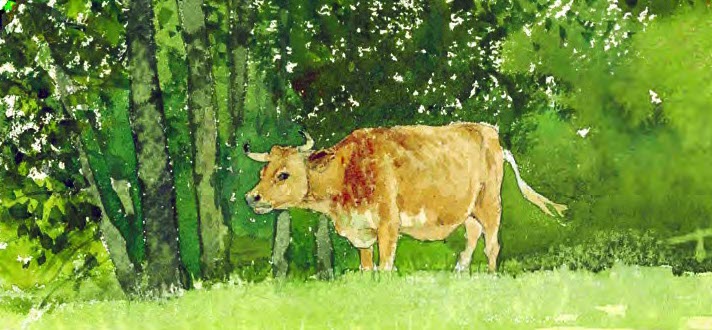
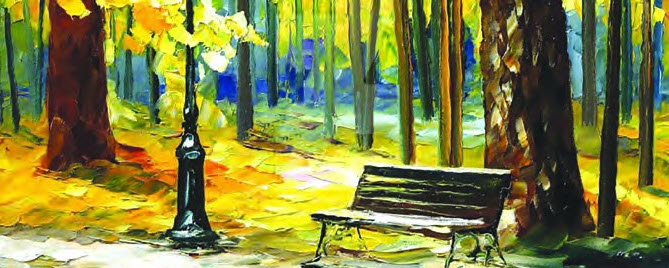


A. Read the second paragraph of the ‘Reading’. Find the nouns and write them in the correct circles of the word web. You can add more circles.
Places: home, forset, earth
People/Animals: human, panda, student
Ideas: future, wildife, attention
Things: trees, road, example
B. Write the appropriate form of each noun.
1. Ali's (brother) brother is a hard-working (postman) postman.
با توجه به وجود حرف تعریف نامشخص a در جمله هر دو اسم به صورت مفرد به کار میروند.
2. She sat down at her (desk) desk and worked for two (hour) hours.
با توجه به مفهوم جمله desk به صورت مفرد میآید. با توجه به قرار گرفتن two قبل از hour از شکل جمع این کلمه استفاده میکنیم.
3. There are two (bus stop) bus stops near your (school) school.
با توجه به وجود صفت کمی two که به «دو ایستگاه اتوبوس» اشاره دارد از شکل جمع واژهی bus stop استفاده میکنیم. در ضمن با توجه به مفهوم جمله باید واژه school به صورت مفرد بیاید.
4. I saw an old (man) man and two young (woman) women sitting near the lake of the (park) park.
با توجه به الگوی اسم مفرد + صفت + an، از اسم مفرد man استفاده میکنیم. چون قبل از اسم+صفت کمی two به کار رفته، بنابراین از اسم جمع women استفاده میکنیم.
5. Frank is a (farmer) farmer He has four (child) children.
قبل از اسم farmer حرف تعریف نامعین a آمده است بنابراین از اسم مفرد استفاده میکنیم. با توجه به وجود صفت کمی four قبل از اسم child از صورت جمع بیقاعده child استفاده میشود.

C. Circle the correct answer.
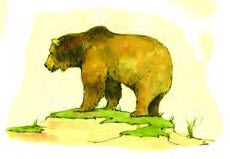
1. Today, (Iran / iran)'s mountains and plains are the natural (Home / home) of many animals. One of them is the black (Bear / bear) which lives in a few (Parts / parts) of the country.
امروزه کوهها و دشتهای ایران زیستگاه طبیعی بسیاری از حیوانات هستند. یکی از آنها خرس سیاه است که در بخشهای معدودی از کشور زندگی میکنند.
2. Amin (Askari / askari) is a pilot. He is 40 (Years / years) old. He lives with his (Wife / wife) and his son and daughter in (Mashhad / mashhad). He loves his job.
امین عسگری یک خلبان است. او 40 ساله است. او با همسر و پسر و دخترش در مشهد زندگی میکند. او عاشق شغلش است.
3. The (Persian / persian) Gulf is a very important sea between Iran and some (Arab / arab) countries. Its (Wildlife / wildlife) is amazing. You can see some beautiful (Sea / sea) animals such as (Dolphins / dolphins) there.
خلیج فارس دریایی بسیار مهم میان ایران و چند کشور عربی است. حیاتوحش آن شگفتانگیز است. شما میتوانید برخی از حیوانات دریایی زیبا از قبیل دلفین را در آنجا ببینید.
D. Read the following sentences and circle the nouns.
1. The weather is beautiful in the spring.
2. This is a low mountain, but those mountains are high.
3. Nasim read a book on the bus last week.
4. Some people do not take care of animals.
5. I saw two wolves in the zoo.
آبوهوا در بهار زیباست.
این کوه کم ارتفاع است، اما آن کوهها مرتفع هستند.
نسیم هفته گذشته یک کتاب خواند.
بعضی از مردم از حیوانات مراقبت نمیکنند.
من دو گرگ در باغوحش دیدم.
What You Learned
A. Listen to the first part of a report about Earth.
1. Fill in the blanks based on what you just heard.
Earth is our ………………
Humans …………………… nature.
2. Listen again and list all nouns.
B. Now read the second part of the report.
We need to save animals and plants and take care of them.
All humans are going to work together to have a beautiful home.
If we work hard, we will have clean air and water in the future.
We will have a safe place to live. In this way we will save Earth for our children.ما لازم است که حیوانات و گیاهان را نجات دهیم و از آنها مراقبت کنیم.
همه انسانها با هم کار خواهند کرد تا محل زندگی زیبایی داشته باشند.
اگر ما سخت بکوشیم، آب و هوای تمیزی در آینده خواهیم داشت.
ما جای امنی برای زندگی خواهیم داشت. به این طریق کره زمین را برای بچههایمان حفظ خواهیم کرد.
3. Underline all nouns. Identify singular/plural and proper/common nouns.
animals $ \to $ اسم عام جمع
plants $ \to $ اسم عام جمع
humans $ \to $ اسم عام جمع
air $ \to $ اسم عام مفرد
water $ \to $ اسم عام مفرد
Earth $ \to $ اسم خاص مفرد
4. Circle all future verbs.
are going to work - will have - will have - will save
C. Work in pairs. Ask and answer. Use appropriate intonation.
What is Earth? $ \searrow $
It is a planet where we live on. $ \searrow $
Who is destroying nature? $ \searrow $
Some people are destroying the nature. $ \searrow $
Do you need a safe place to live? $ \nearrow $
Yes, I need a safe place to live. $ \searrow $